Warning: count(): Parameter must be an array or an object that implements Countable in C:\web\huiben\book_details.php on line 531
Warning: Illegal string offset 'title' in C:\web\huiben\book_details.php on line 532
、
Warning: count(): Parameter must be an array or an object that implements Countable in C:\web\huiben\book_details.php on line 531
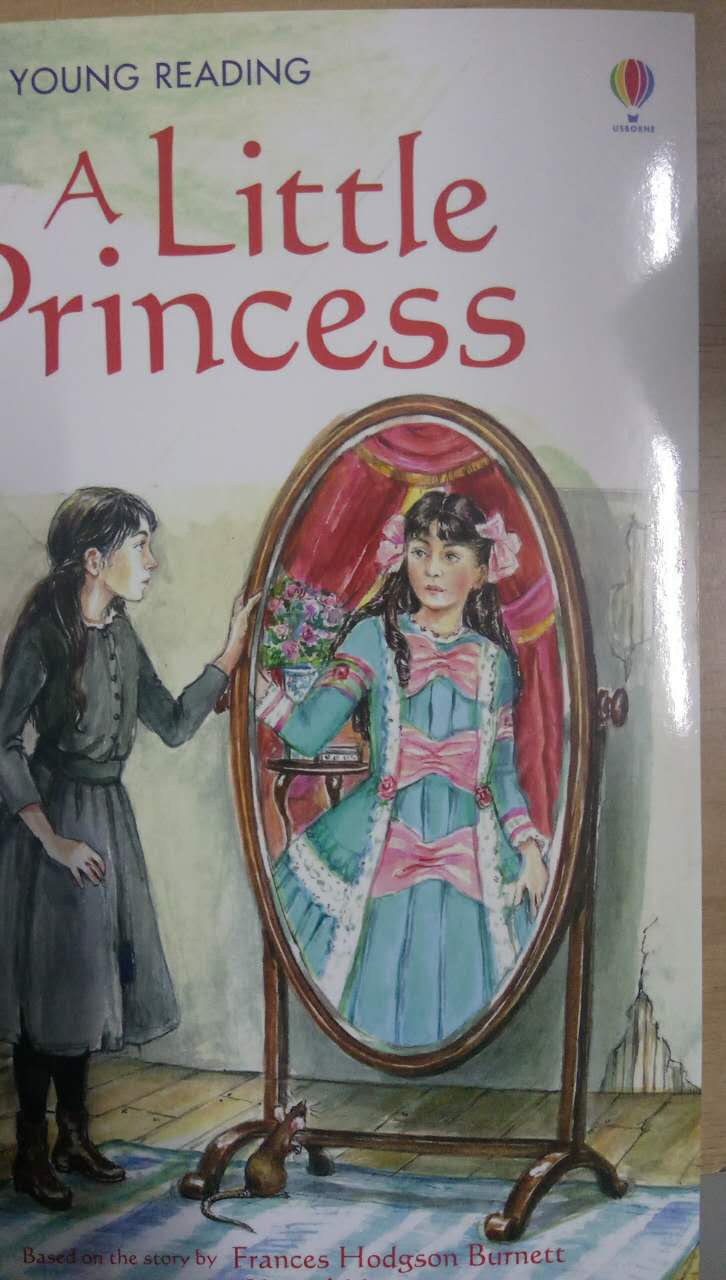
Onceon a dark winter’s day, when the yellow fog hung so thick and heavy in thestreets of London that the lamps were lighted and the shop windows blazed withgas as they do at night, an oddlooking little girl sat in a cab with her fatherand was driven rather slowly through the big thoroughfares.
Shesat with her feet tucked under her, and leaned against her father, who held herin his arm, as she stared out of the window at the passing people with a queerold-fashioned thoughtfulness in her big eyes.
Shewas such a little girl that one did not expect to see such a look on her smallface. It would have been an old look for a child of twelve, and Sara Crewe wasonly seven. The fact was, however, that she was always dreaming and thinkingodd things and could not herself remember any time when she had not beenthinking things about grown-up people and the world they belonged to. She feltas if she had lived a long, long time.
Atthis moment she was remembering the voyage she had just made from Bombay withher father, Captain Crewe. She was thinking of the big ship, of the Lascarspassing silently to and fro on it, of the children playing about on the hotdeck, and of some young officers’ wives who used to try to make her talk tothem and laugh at the things she said.
Principally,she was thinking of what a queer thing it was that at one time one was in Indiain the blazing sun, and then in the middle of the ocean, and then driving in astrange vehicle through strange streets where the day was as dark as the night.She found this so puzzling that she moved closer to her father.
“Papa,”she said in a low, mysterious little voice which was almost a whisper, “papa.”
“Whatis it, darling?” Captain Crewe answered, holding her closer and looking downinto her face. “What is Sara thinking of?”
“Isthis the place?” Sara whispered, cuddling still closer to him.
“Isit, papa?”
“Yes,little Sara, it is. We have reached it at last.” And though she was only sevenyears old, she knew that he felt sad when he said it.
Itseemed to her many years since he had begun to prepare her mind for “theplace,” as she always called it. Her mother had died when she was born, so shehad never known or missed her. Her young, handsome, rich, petting father seemedto be the only relation she had in the world. They had always played together andbeen fond of each other. She only knew he was rich because she had heard peoplesay so when they thought she was not listening, and she had also heard them saythat when she grew up she would be rich, too. She did not know all that beingrich meant. She had always lived in a beautiful bungalow, and had been used toseeing many servants who made salaams to her and called her “Missee Sahib,” andgave her her own way in everything. She had had toys and pets and an ayah whoworshipped her, and she had gradually learned that people who were rich hadthese things. That, however, was all she knew about it.
Duringher short life only one thing had troubled her, and that thing was “the place”she was to be taken to some day. The climate of India was very bad forchildren, and as soon as possible they were sent away from it—generally toEngland and to school. She had seen other children go away, and had heard theirfathers and mothers talk about the letters they received from them. She hadknown that she would be obliged to go also, and though sometimes her father’sstories of the voyage and the new country had attracted her, she had beentroubled by the thought that he could not stay with her.
“Couldn’tyou go to that place with me, papa?” she had asked when she was five years old.“Couldn’t you go to school, too? I would help you with your lessons.”
“Butyou will not have to stay for a very long time, little Sara,” he had alwayssaid. “You will go to a nice house where there will be a lot of little girls,and you will play together, and I will send you plenty of books, and you willgrow so fast that it will seem scarcely a year before you are big enough andclever enough to come back and take care of papa.”
Shehad liked to think of that. To keep the house for her father; to ride with him,and sit at the head of his table when he had dinner parties; to talk to him andread his books—that would be what she would like most in the world, and if onemust go away to “the place” in England to attain it, she must make up her mind togo. She did not care very much for other little girls, but if she had plenty ofbooks she could console herself. She liked books more than anything else, andwas, in fact, always inventing stories of beautiful things and telling them toherself. Sometimes she had
told them to her father, and he had liked them as much asshe did.
“Well,papa,” she said softly, “if we are here I suppose we must be resigned.”
Helaughed at her old-fashioned speech and kissed her. He was really not at allresigned himself, though he knew he must keep that a secret. His quaint littleSara had been a great companion to him, and he felt he should be a lonelyfellow when, on his return to India, he went into his bungalow knowing he neednot expect to see the small figure in its white frock come forward to meet him.So he held her very closely in his arms as the cab rolled into the big, dullsquare in which stood the house which was their destination.